
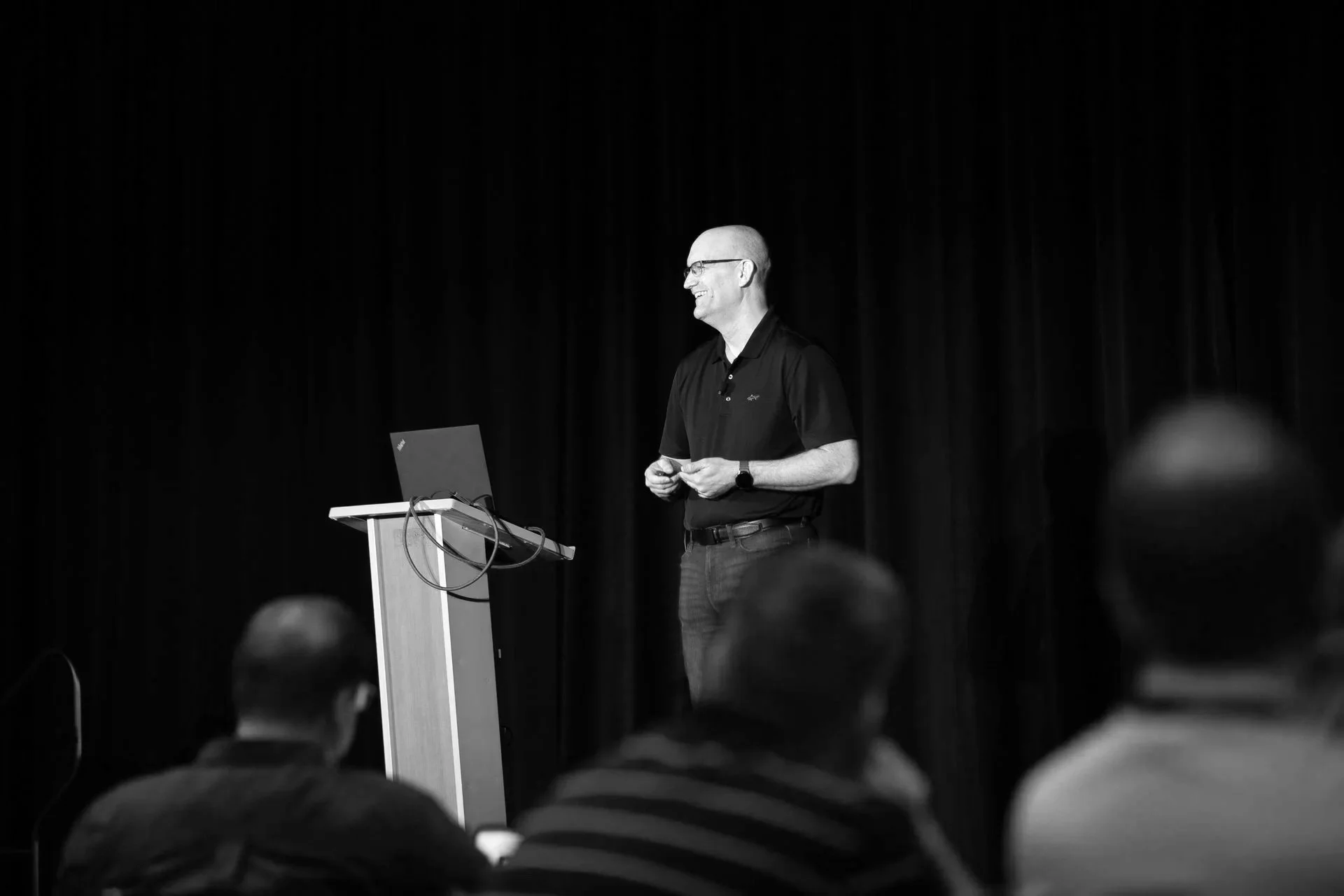

The only conference that dares to keep asking:
Why haven’t we seen full adoption of network automation, yet?
Our Seventh Event,
AutoCon 6
will be held
in tucSon, az
the week of
16-20 Nov 2026…
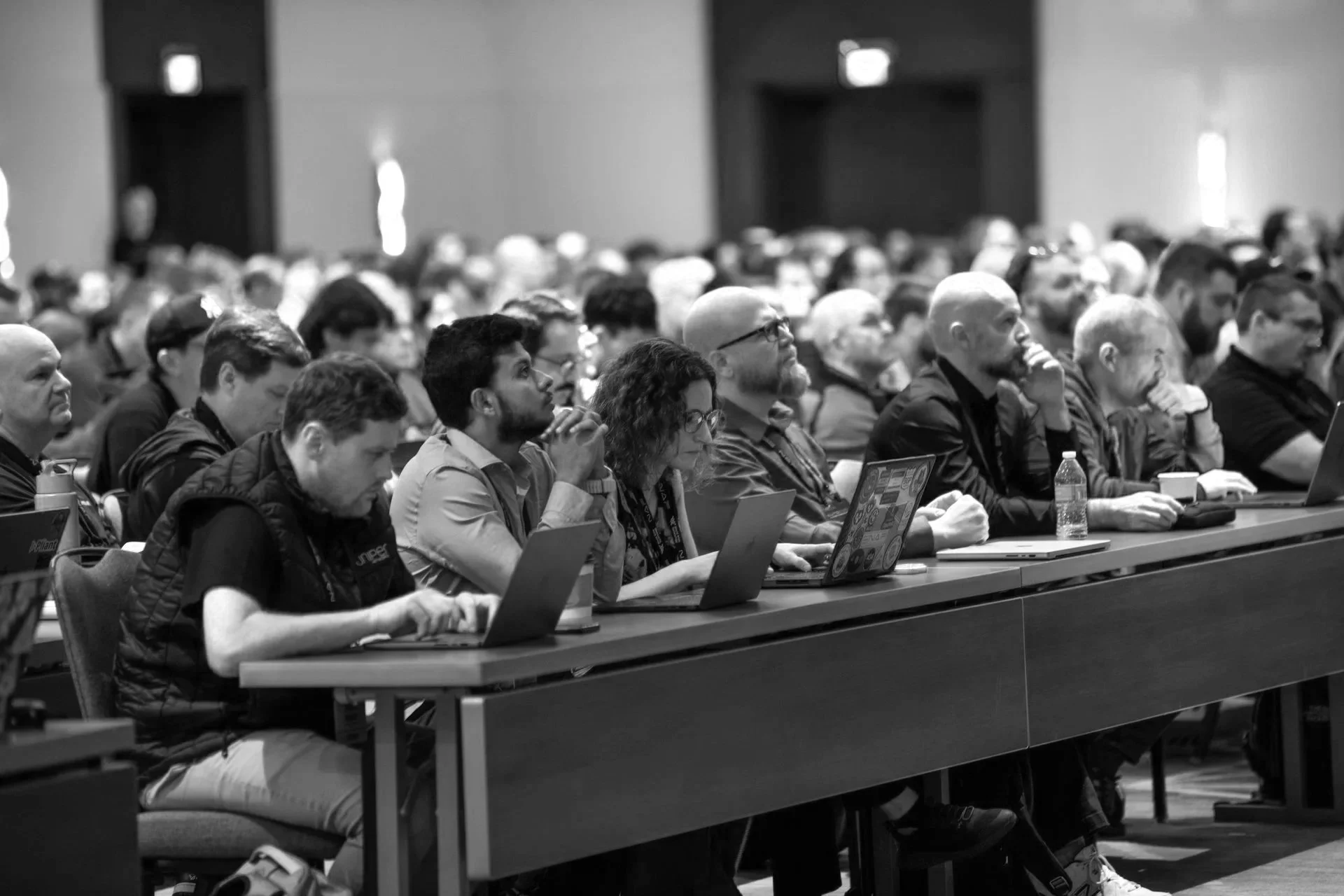
Details below
Agenda
16-17 November (Monday & Tuesday) — Workshops
Monday, 16 November (9:00-18:00); Hands-on workshops, details below. Lunch will be served. Badge pickup opens at 07:00. There will be a happy hour from 18:00-19:00.
Tuesday, 17 November (9:00-18:00); Hands-on workshops, details below. Lunch will be served.
* Note: Workshop participation is separate from conference registration and requires a ticket.
18-20 November (Wednesday-Friday) — Conference
Wednesday, 18 November; the conference will start at 13:00 local time. There will be lunch from 11:30 to 13:00 and a happy hour from 17:45 to 19:45.
Thursday, 19 November; the conference will run all day. Lunch will be served. Thursday night social event sponsorships are still available!
Friday, 20 November; the conference will end at about noon local time. You’re on your own for lunch.
* Full speaker list and conference program are below.
Speakers
-
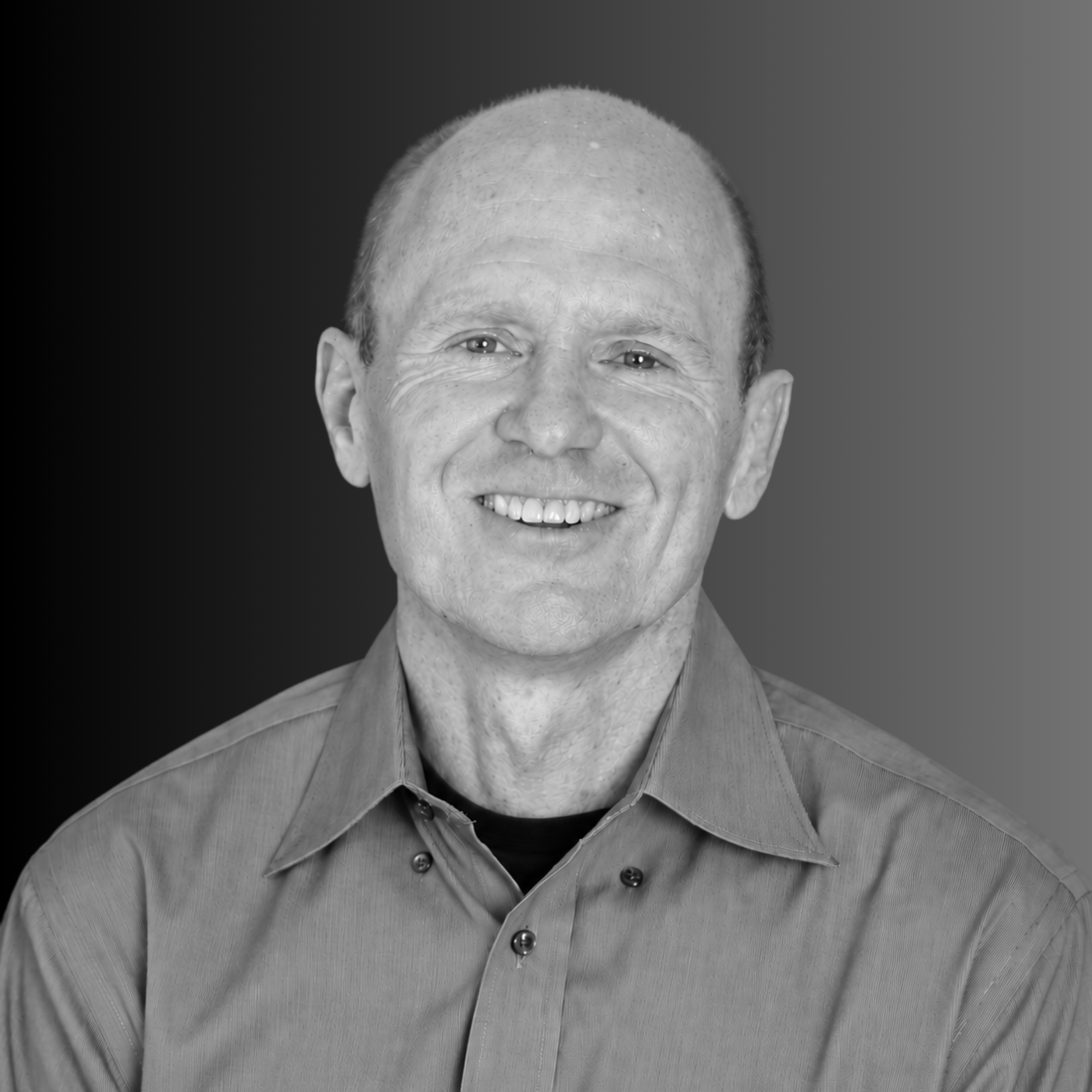
Opening Keynote
Kirk Byers
-
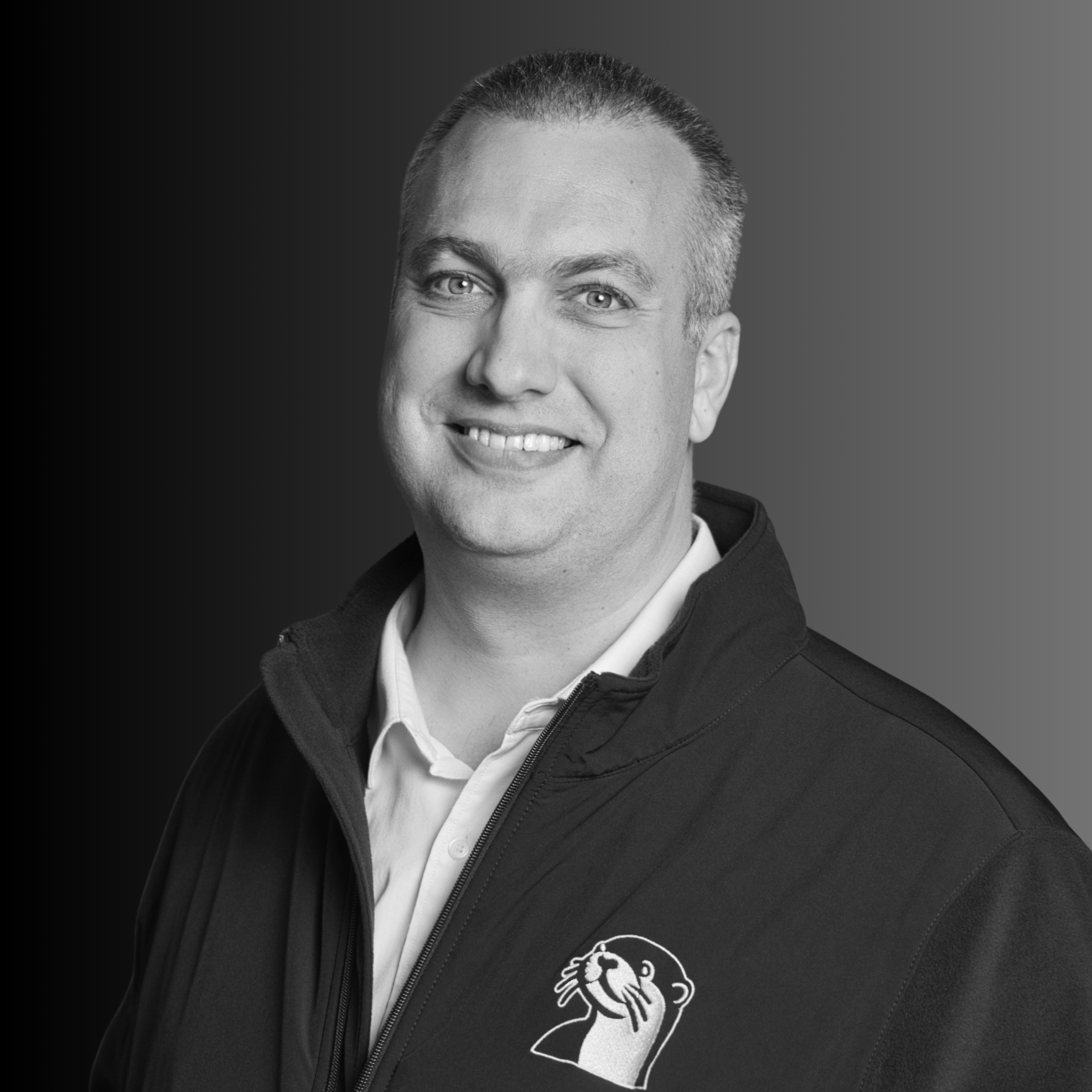
Closing Keynote
Damien Garros
-
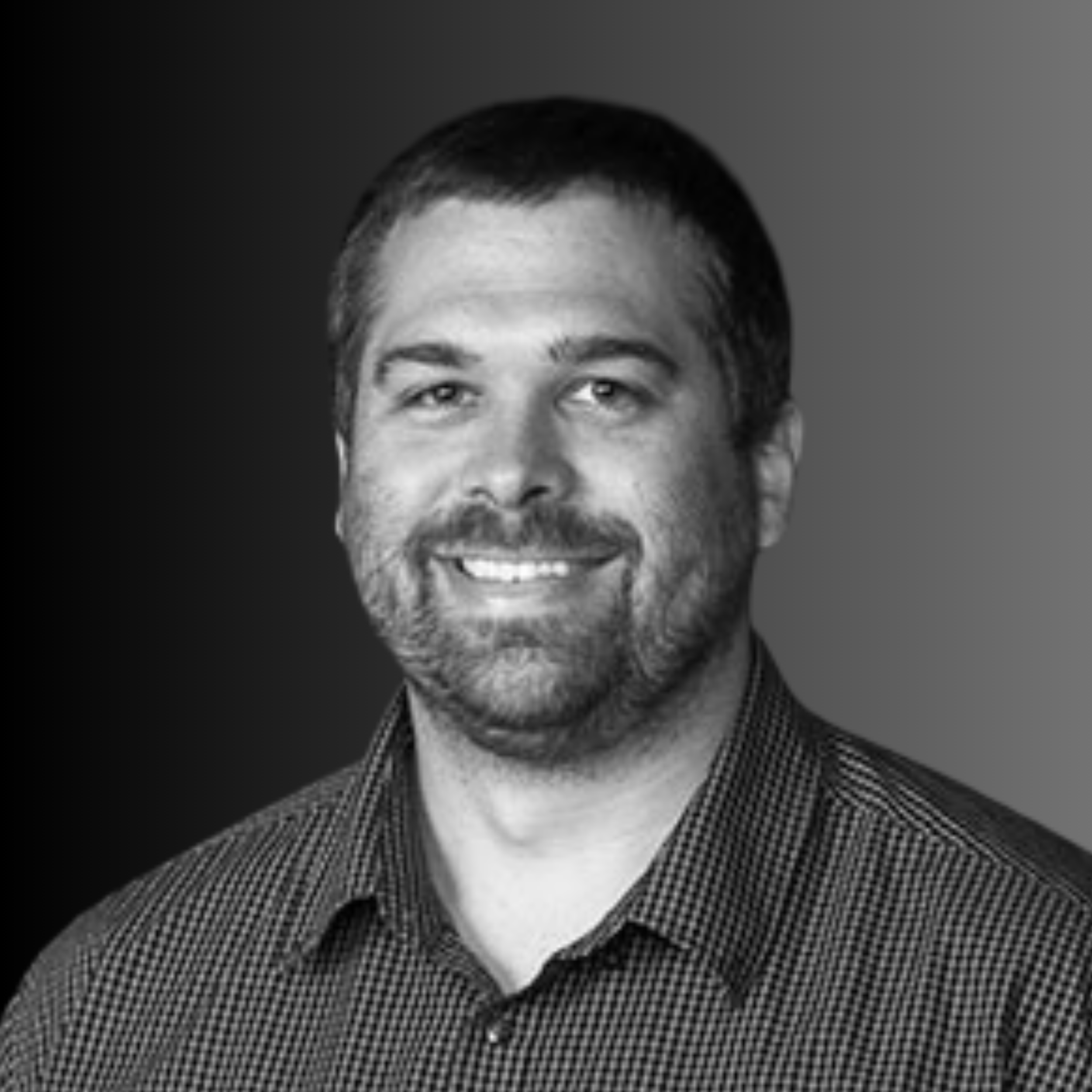
Andrew Ragusa
Software and Systems Engineering Manager @ Indiana University - GlobalNOC
-

Anna Claiborne
Principal Architect, Office of the CEO @ Salesforce
-

Chris Grundemann
Creator of the State of Network Automation Survey
-
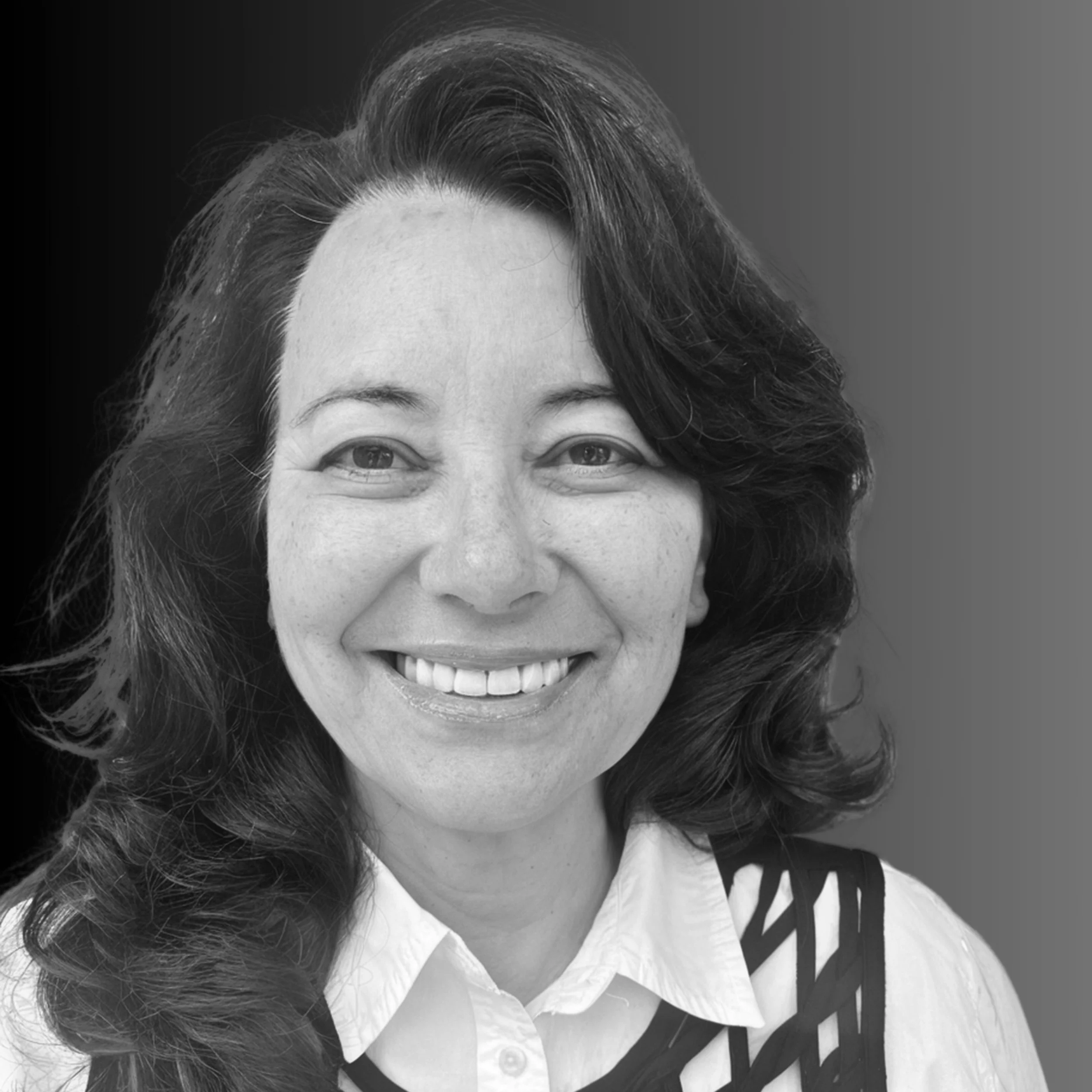
CLAUDIA DE LUNA
Consultant @ EIA
-
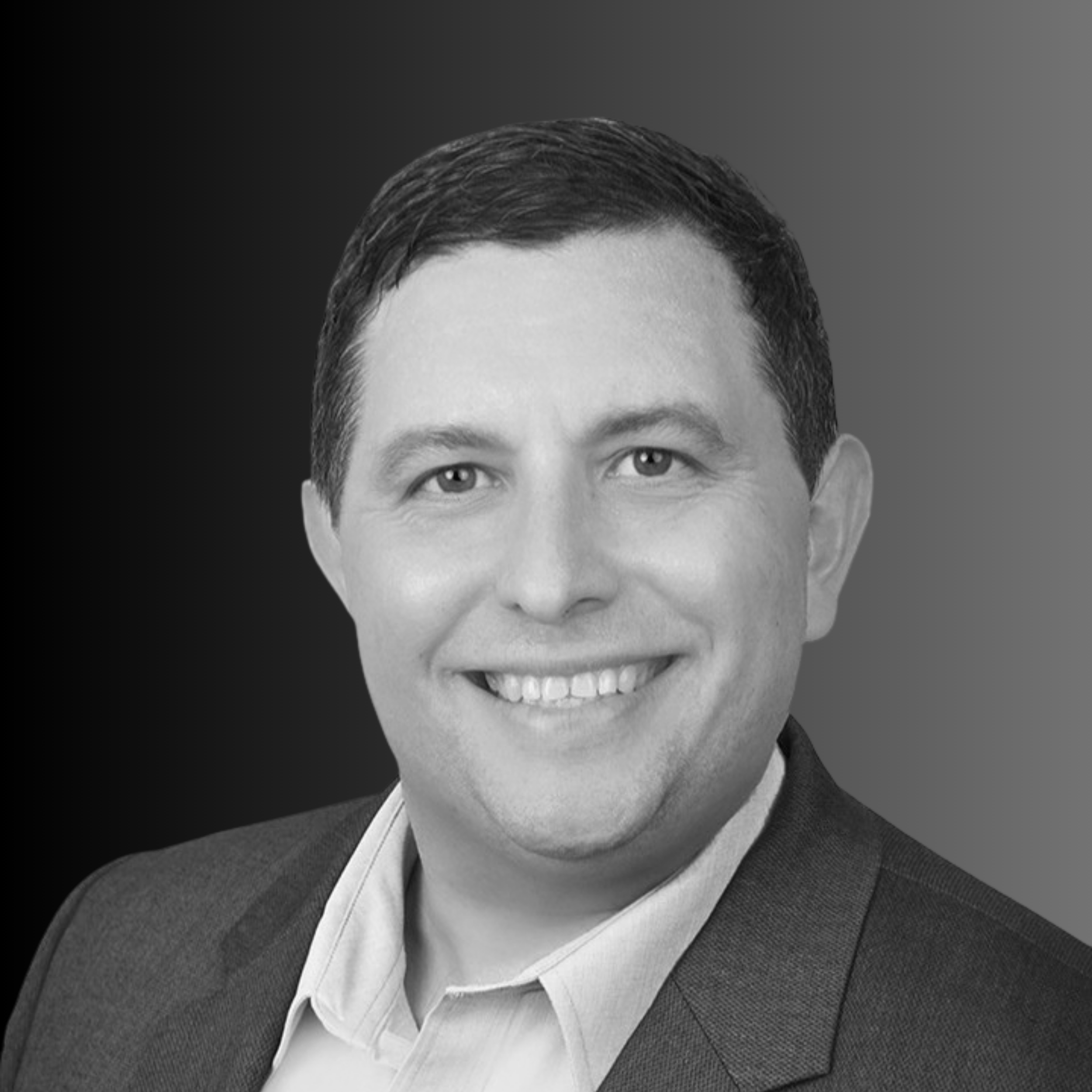
Craig Johnson
Principal Solutions Architect @ Forward
-
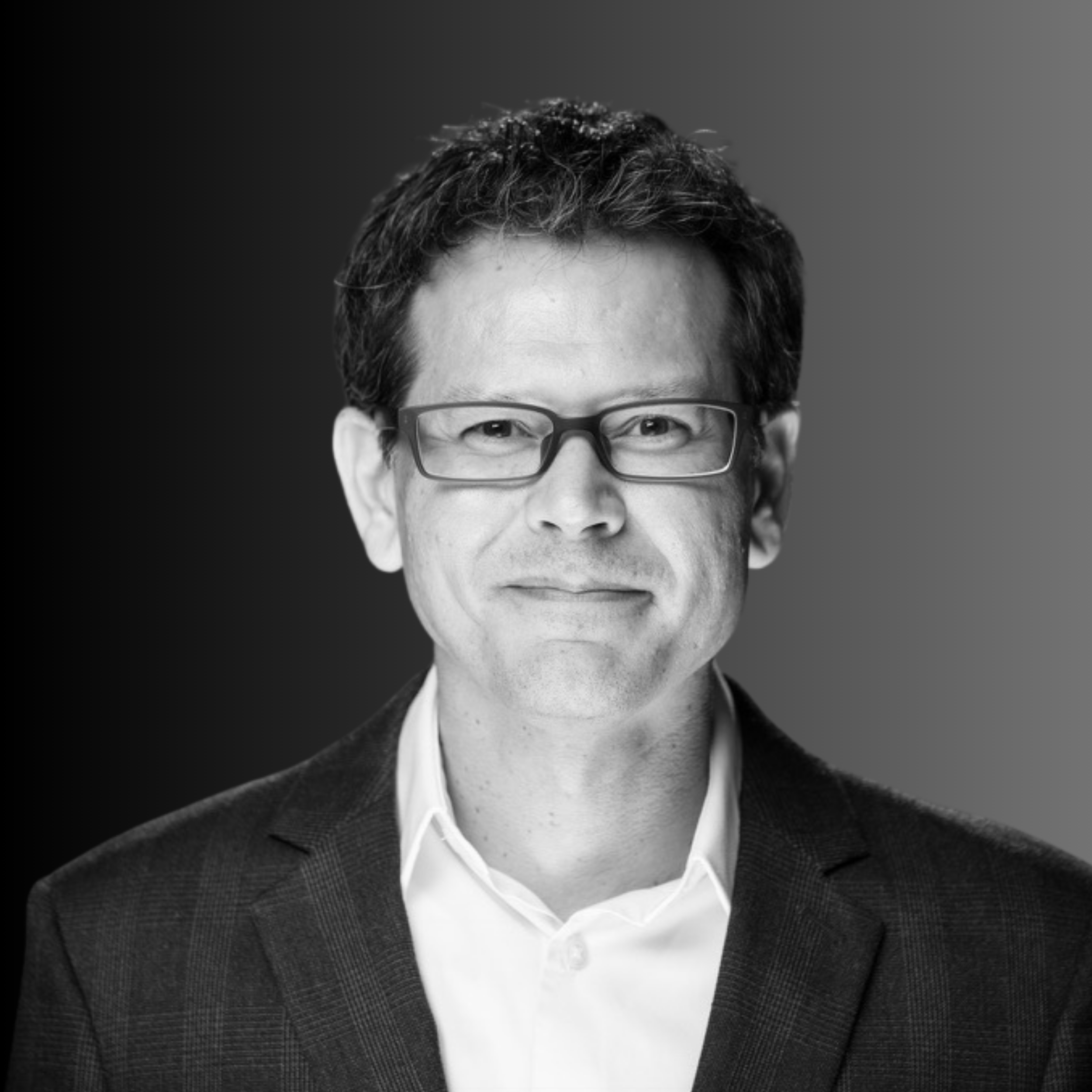
Ed Horley
CEO @ HexaBuild, Inc.
-
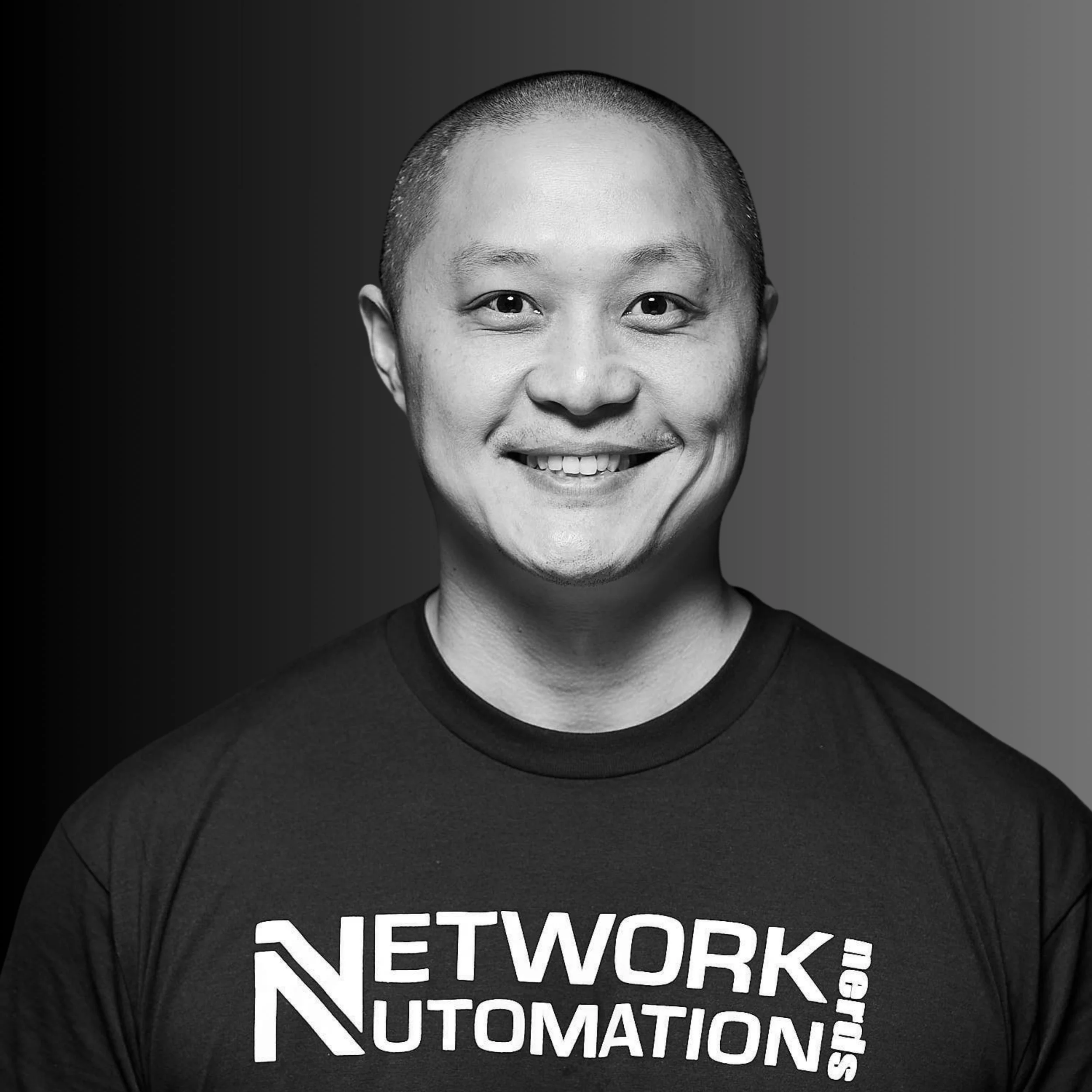
Eric Chou
Founder @ Network Automation Nerds LLC.
-
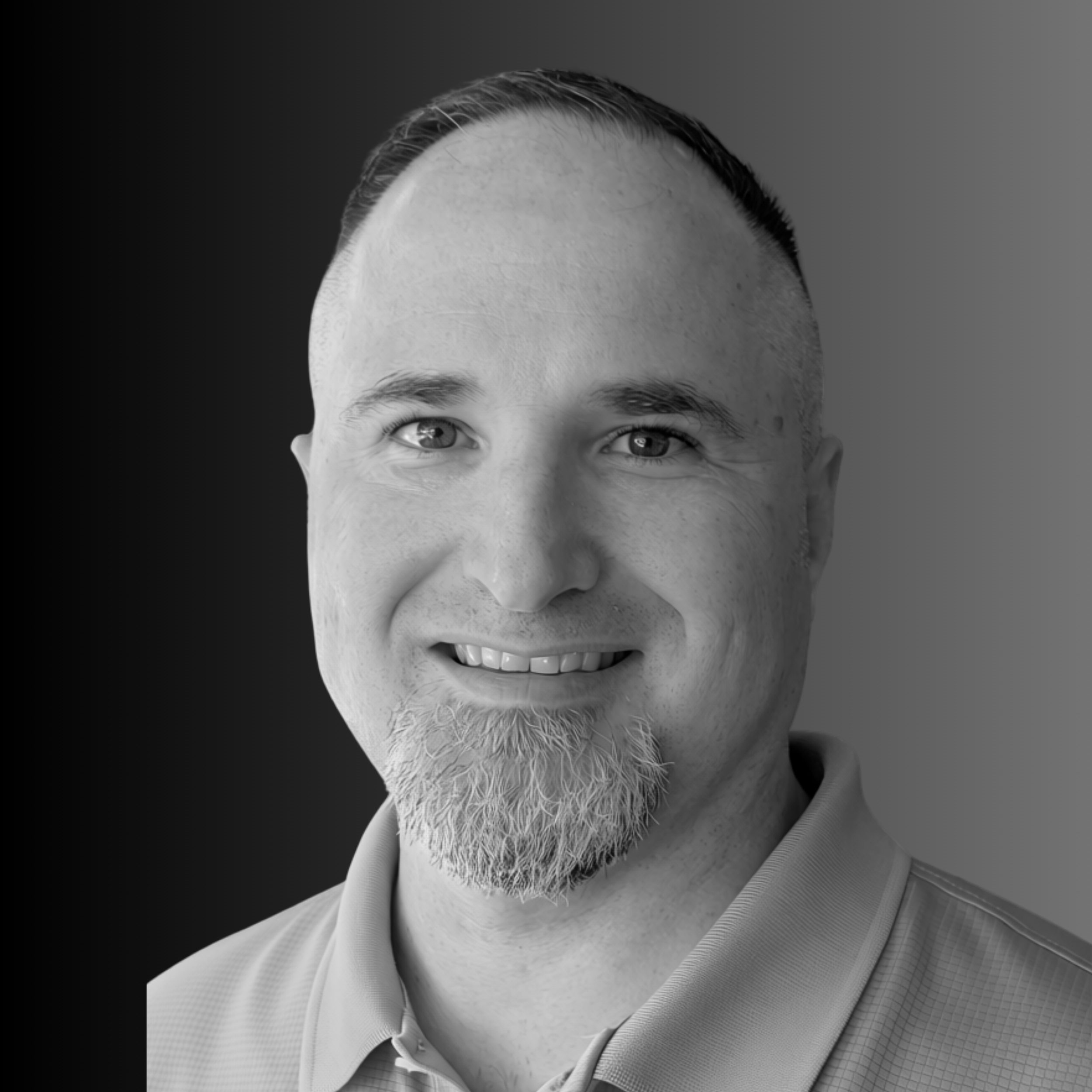
Eric Fetty
Network Architect @ The Standard
-

Erika Dietrick
Software Engineer, Educator @ Self-Employed
-
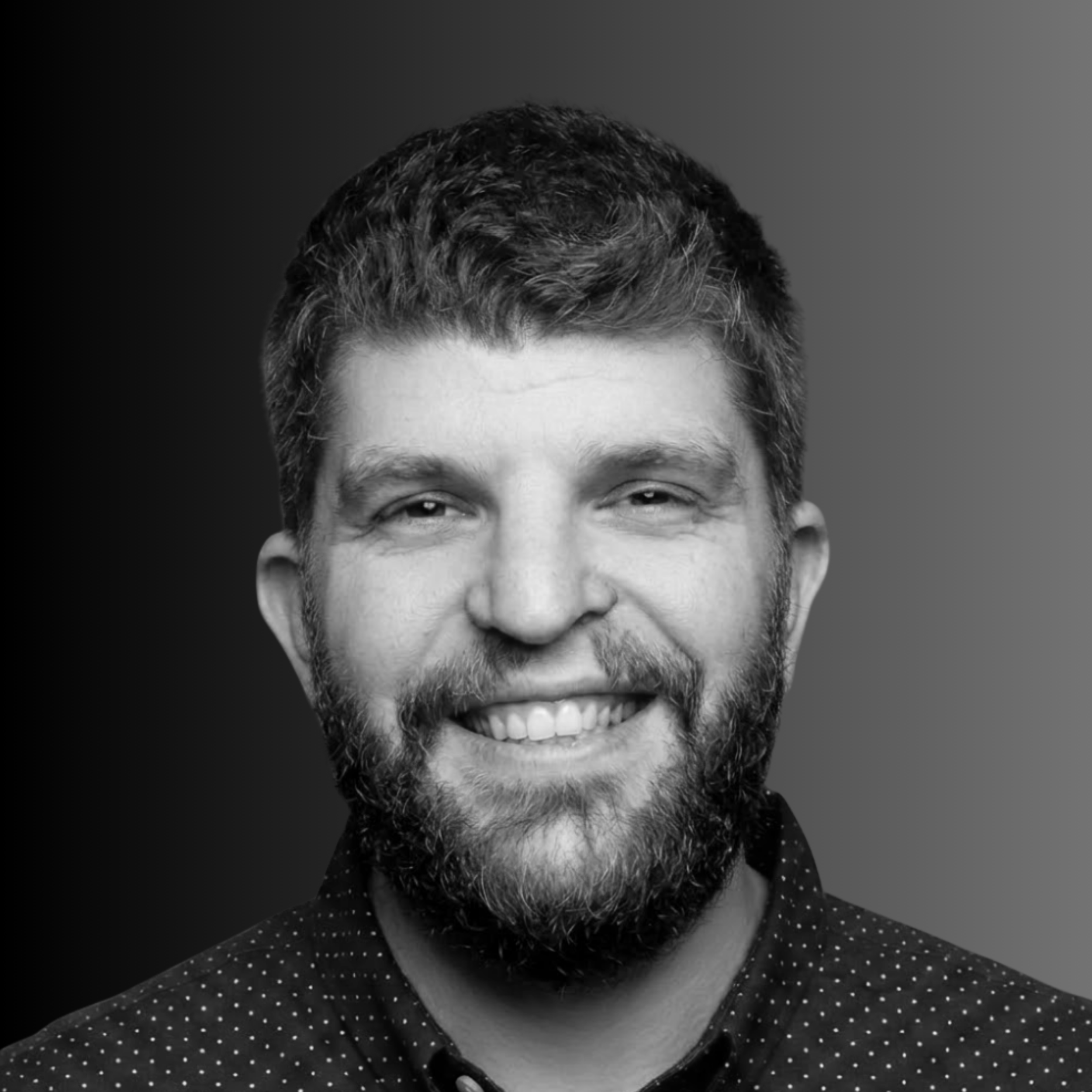
Jeff Kala
Principal Architect @ Network to Code
-
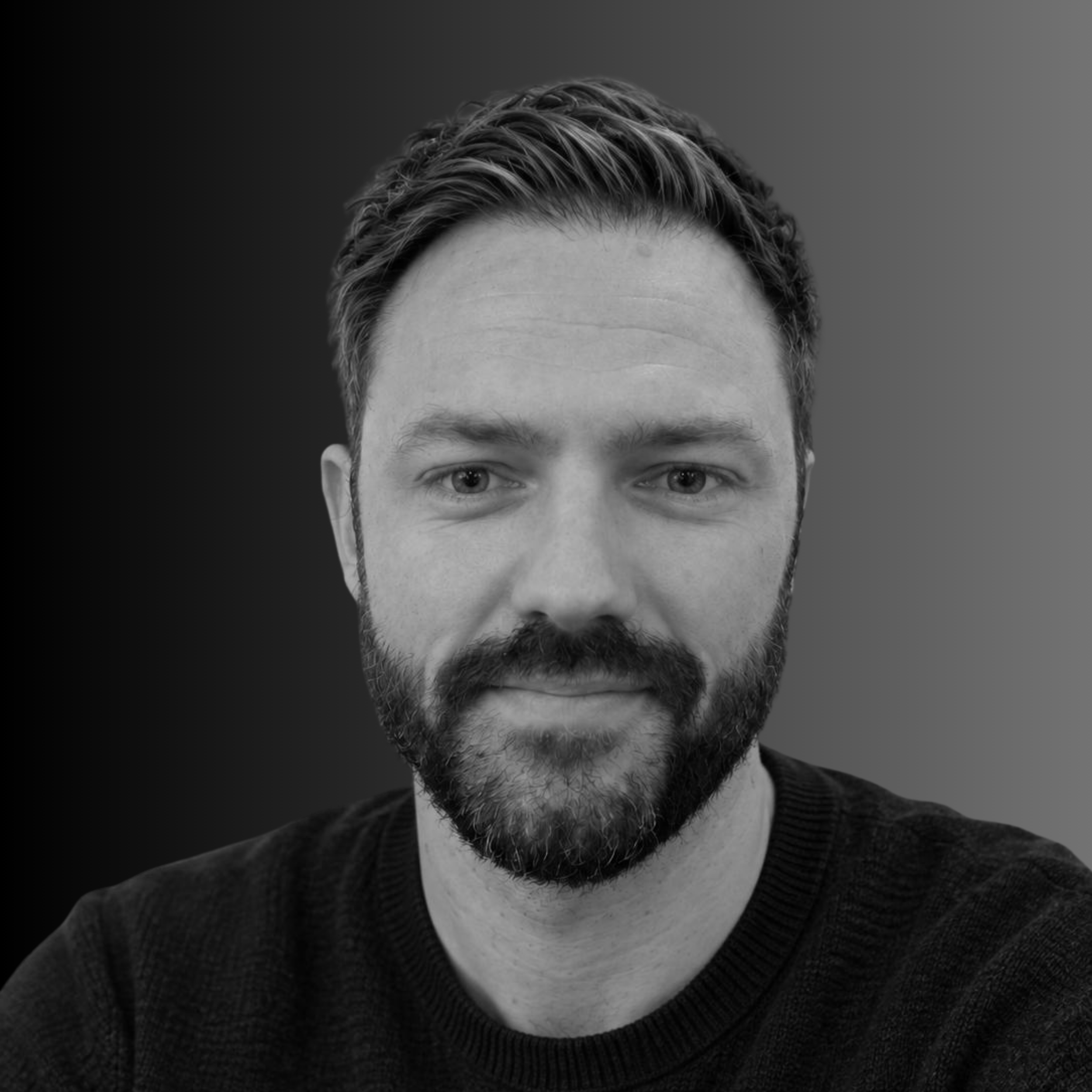
Joey Coakley
Principal Cloud Network Engineer @ Microsoft
-

John Capobianco
Head of AI and DevRel @ Itential
-
Jonathon Davis
Sr. Solutions Architect @ RG Nets
-
Joseph NIcholson
Network Operations Engineer @ NTT Data
-
Karl Newell
Network Software Architect @ Internet2
-

Lynn Gates
Senior Director, Global Center of Excellence @ Ericsson
-
Marcus Cain
Director - Network Engineering & Automation @ Fidelity Investments
-
Mark Elias
Distinguished Network Architect @ Trinity Cyber, Inc
-
Maximilian Francis
Senior Network Automation Consultant @ Network to Code
-
Pieter van Os
Co-Founder, Solution Architect @ Flock9 Inc.
-
Russ White
Principle Architect @ Nokia
-
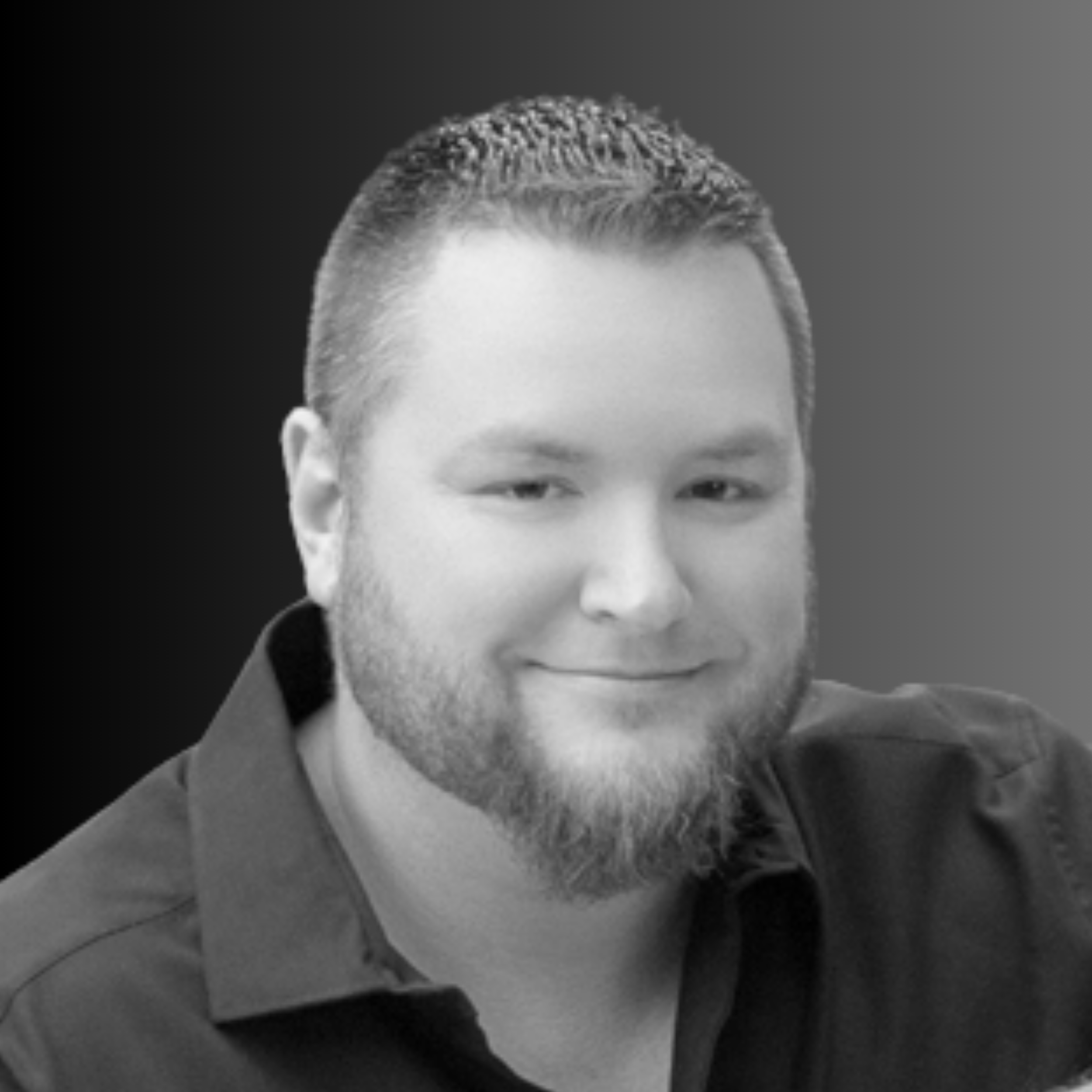
Ryan Booth
Principal Consultant @ Blue Ridge Consulting
-

Scott Robohn
Co-Founder @ NAF
-
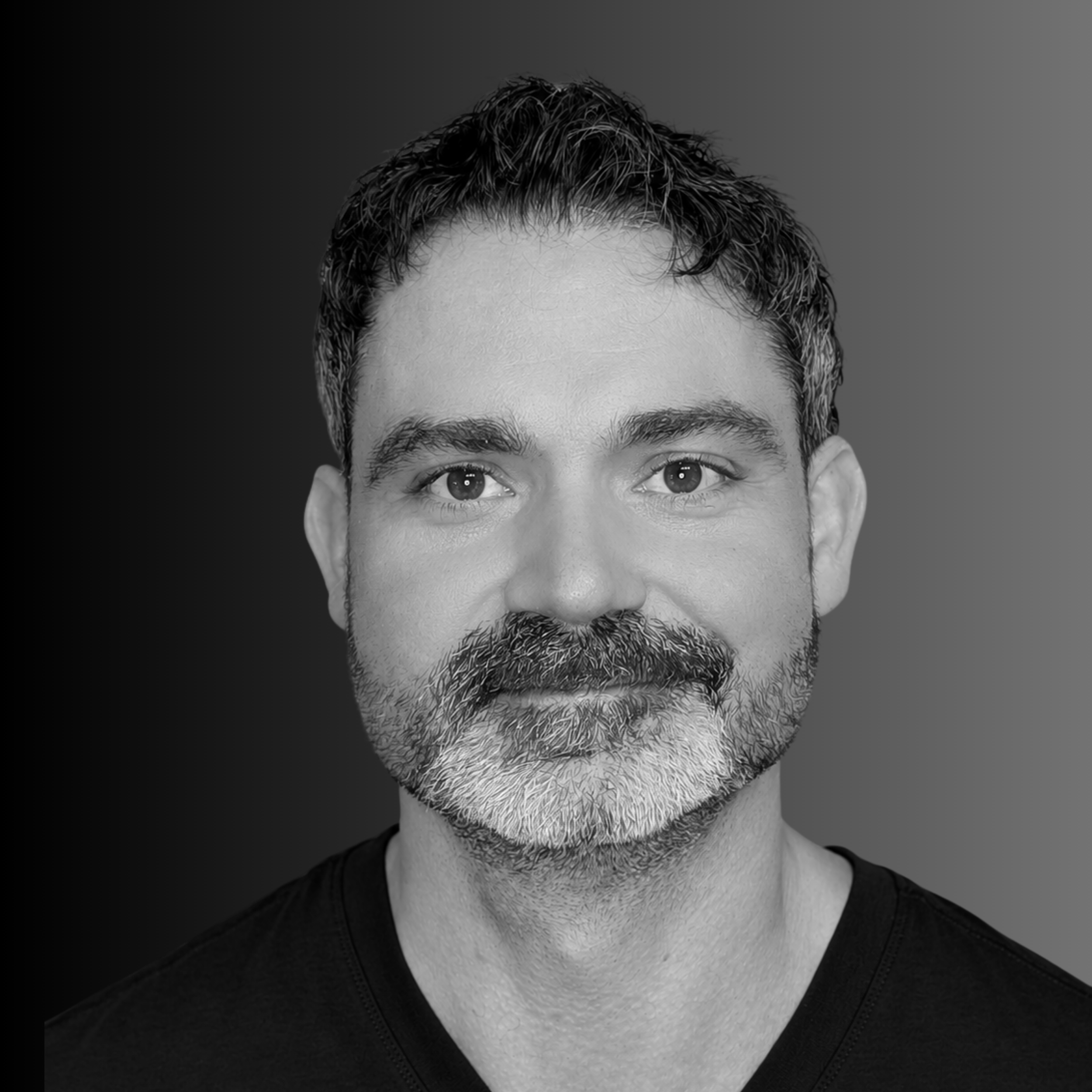
Sean Mahoney
Solutions Architect @ US Signal
-
Senad Palislamovic
AIOps Network Automation Leader @ Nvidia
-
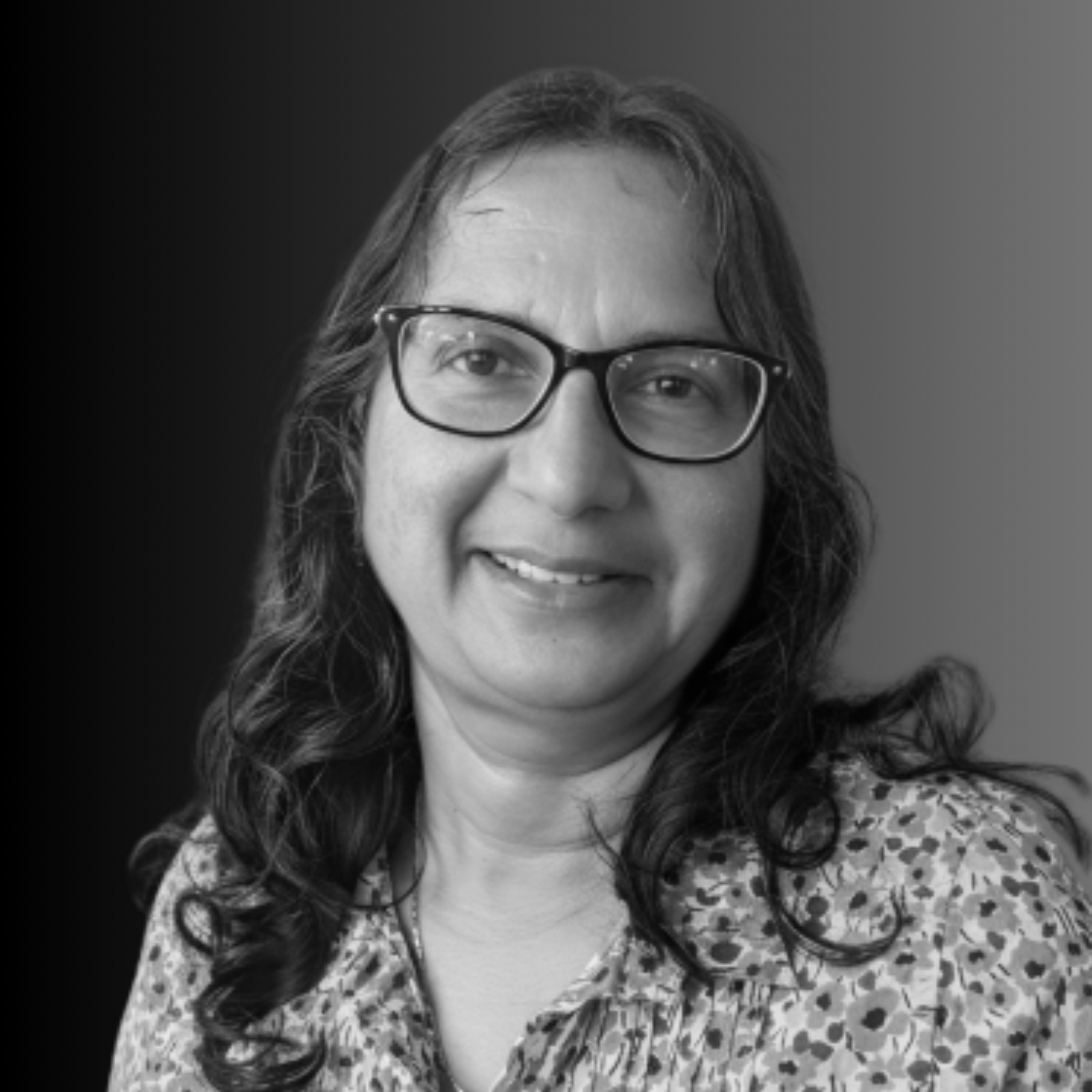
Srividya Iyer
Technologist , Entrepreneur and Educator @ Caniv Tech
-
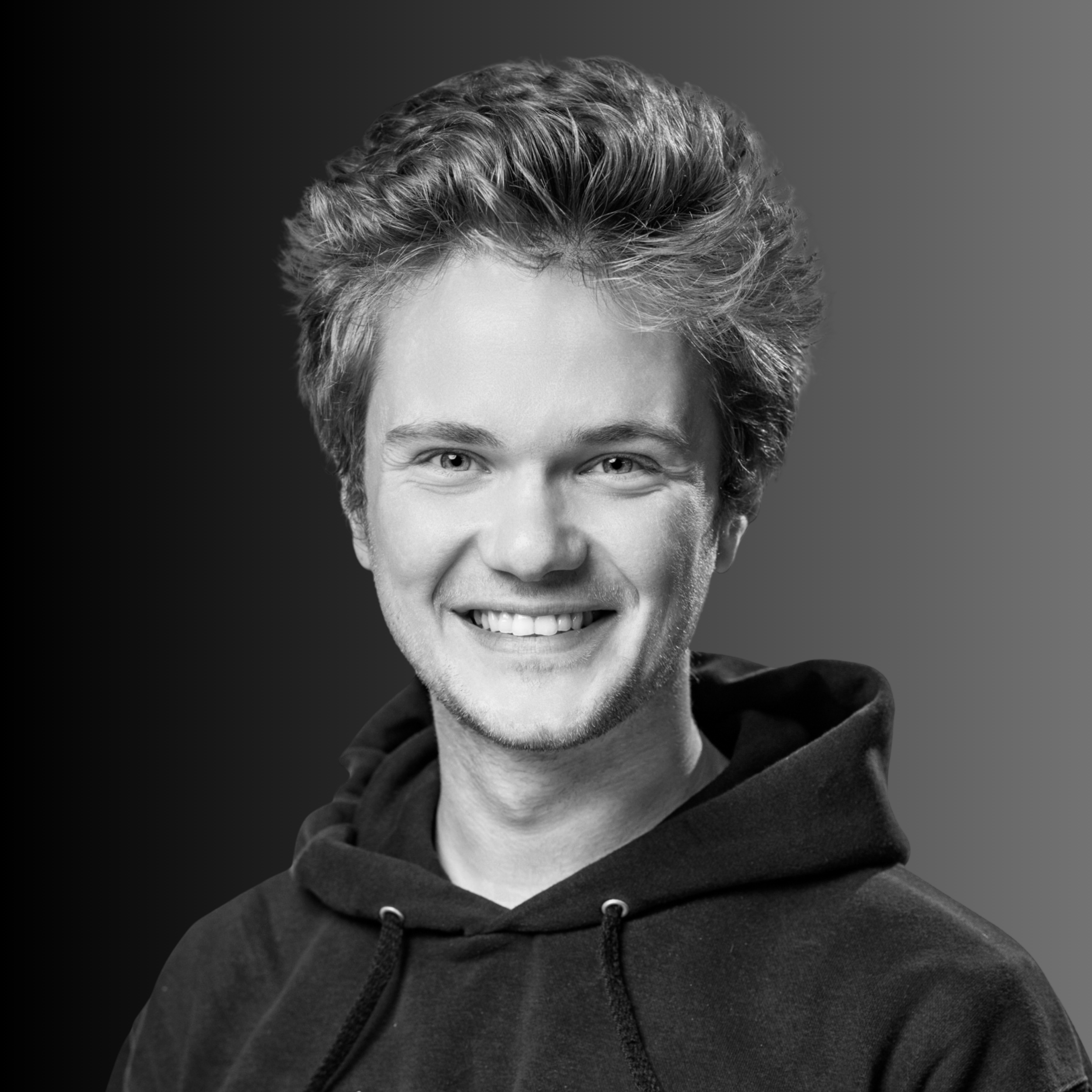
Toni Saradan
Software Developer @ NIL d.o.o.
-
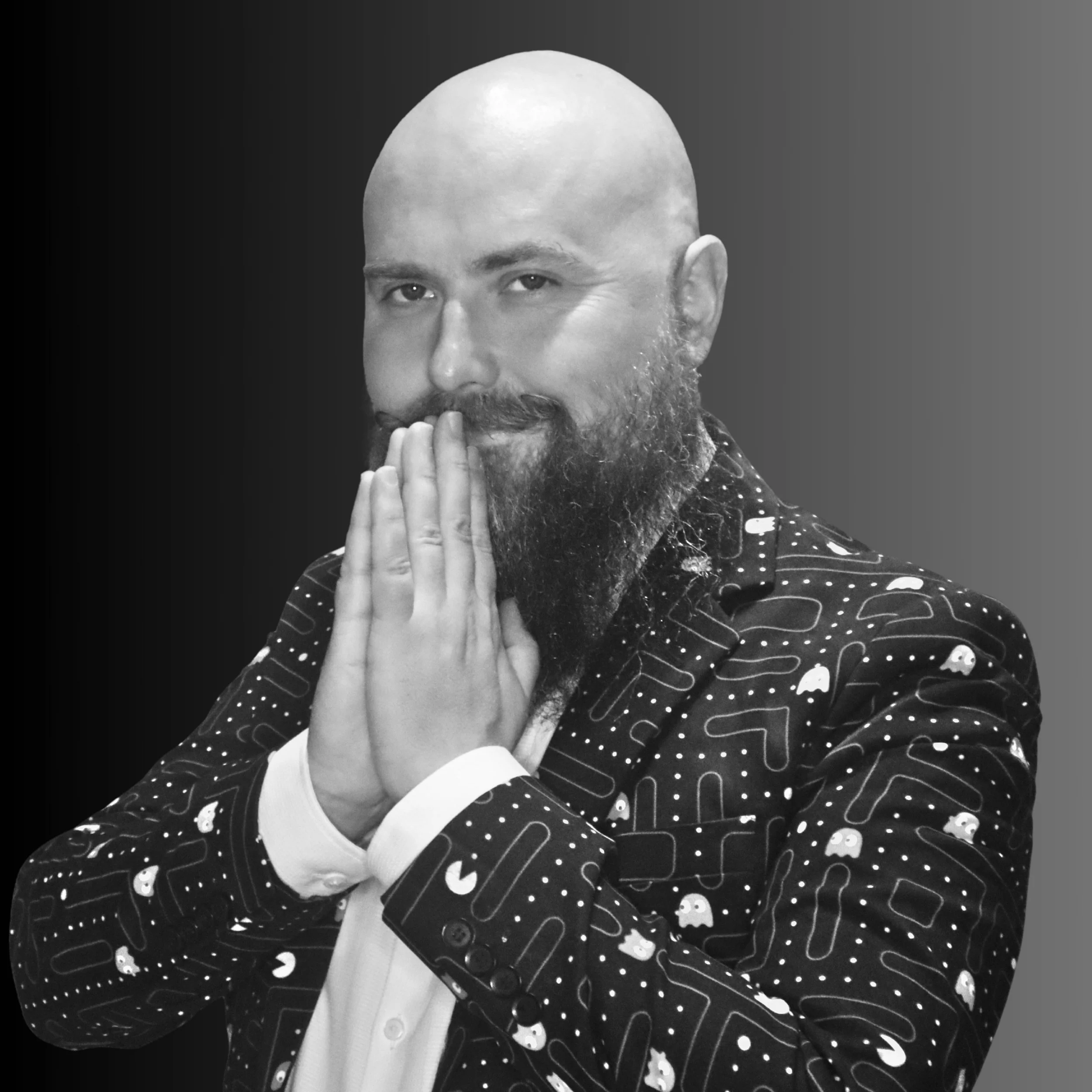
Urs Baumann
Customer Success Architect
Conference Program
You asked for deeper technical content - check out the tutorials on Thursday Morning!
Wednesday and Friday (18 & 20 Nov) will both have a single track in a single room; just like previous AutoCons.
Thursday's (21 Nov’s) talks will be split across two rooms (this doubles the number of talks available while also providing a couple deeper focus areas - it also requires you to choose which talks to participate in that day, and honestly, we hope it’s a hard choice).
During Thursday morning we will have a track delivering longer, tutorial style talks with deeper dives into the technical how-to.
On Thursday afternoon both tracks will feature “standard” length talks covering many exciting and varied aspects of network automation.
All of our talks were selected by the Advisory Board, with a focus on real-world production experience across the entire spectrum of network automation.
-
08:00 - 16:00 — Registration open; networking begins!
11:30 - 13:00 — LUNCH (Provided On-Site)
13:00 - 13:05 — Conference Opening and Introduction
13:05 - 13:15 — Welcome Message from Host Sponsor <<your name here>>
13:15 - 14:00 — Opening Keynote: Kirk Byers - AI and Network Automation: Through the Looking Glass
14:00 - 14:10 — Srividya Iyer - NAF Framework Update
14:10 - 14:40 — Goutam Nalamati - 60/40: How Meta Taught AI to Triage Its Own Network
14:40 - 14:50 — Message from Accelerating Sponsor Gluware
14:50 - 15:35 — BREAK (With snacks & drinks)
15:35 - 16:05 — Marcus Cain - Intended Configuration as a Catalyst for Enterprise Network Automation
16:05 - 16:35 — Andrew Ragusa - Who Builds Your Automation: NetEngs Who Learned to Code, or Developers Who Learned the Network?
16:35 - 16:45 — Message from Accelerating Sponsor NetBrain
16:45 - 17:15 — Eric Fetty - Closing the skills gap: A guide to effective mentorship
17:15 - 17:35 — Chris Grundemann - 2026 State of Network Automation Survey Results
17:35 - 17:45 — Day One Closing Remarks
17:45 - 19:45 — HAPPY HOUR (Compliments of our Sponsors)
-
08:00 - 15:00 — Registration and check-in open
9:00 - 9:10 — Day Two Opening Remarks
9:10 - 9:45 — John Capobianco - Agentic Networking is here - Introducing the Tools and Techniques Required to be Successful
9:45 - 10:20 — Ryan Booth - Human Driven AI: Who's Actually Driving Your Network's AI?
10:20 - 11:05 — AM BREAK (With snacks & drinks)
11:05 - 11:40 — Joey Coakley & Jeff Kala - Compliance as an Enabling Constraint: Federating Nautobot Across a Segmented Network
11:40 - 12:15 — Toni Sarađan - Excel Is My Source of Truth: A Network Automation Horror Story
12:15 - 13:45 — LUNCH (Provided On-Site)
-
08:00 - 15:00 — Registration and check-in open
9:00 - 9:10 — Opening Remarks
9:10 - 10:20 — Urs Baumann - I 💖 YANG. Said No Python Developer Ever
10:20 - 11:05 — AM BREAK (With snacks & drinks)
11:05 - 12:15 — Russ White - Digital Twinning at Scale
12:15 - 13:45 — LUNCH (Provided On-Site)
-
12:15 - 13:45 — LUNCH (Provided On-Site)
13:45 - 14:20 — Craig Johnson - Every Automation Demo Lies: What Building a Disposable Network Lab Platform Taught Me
14:20 - 14:55 — Pieter van Os - Test Before You Touch the Network: Reproducing Real Device Behavior with Mock Devices
14:55 - 15:40 — PM BREAK (With snacks & drinks)
15:40 - 16:15 — Joseph Nicholson - From Failure to Recovery: Designing Resumable Network Upgrade Automation
16:15 - 16:50 — Claudia De Luna - Let’s Rewind: A Network Automation Do-Over with the NAF Framework
16:50 - 17:00 — Day Two Closing Remarks
* Social Event Details TBA (dependent on sponsorship)
-
12:15 - 13:45 — LUNCH (Provided On-Site)
13:45 - 14:20 — Senad Palislamovic - Network Automation Agentified: Self-serving Network Deployments using AI Agents Soup to Nuts
14:20 - 14:55 — Eric Chou - Stop Funding Hallucinations: A Seasoned Technologist's Guide to Business Success with AI Evaluation
14:55 - 15:40 — PM BREAK (With snacks & drinks)
15:40 - 16:15 — Jonathon Davis - The adoption gap is an accounting gap: how to measure what your automation returned
16:15 - 16:50 — Anna Claiborne - Leading Through Radical Change
16:50 - 17:00 — Day Two Closing Remarks
* Social Event Details TBA (dependent on sponsorship)
-
9:00 - 9:10 — Day Three Opening Remarks
9:10 - 9:55 — Closing Keynote: Damien Garros - What Should You Build When You Can Build Anything?
9:55 - 10:25 — Sean Mahoney - Wouldn't It Be Cool If... How One Question Guided a Journey to Governed Autonomous Delivery
10:25 - 10:35 — Message from Accelerating Sponsor «your name here»
10:35 - 11:10 — BREAK (With snacks & drinks)
11:10 - 11:40 — Karl Newell - From PoC to the NOC: A Multi-Agent Network Troubleshooting Platform at Internet2
11:40 - 12:30 — Lightning Talks!
+ Speaker 1 - Ed Horley - Deploying IPv6 doesn’t work without automation (but that is true with other stuff too!)
+ Speaker 2 - Maximilian Francis - The Peanut Butter & Jelly Method: Transforming Manual Tasks into Automated Workflows
+ Speaker 3 - Mark Elias - Network Automation as a Series of Micro-Services
+ Speaker 4 - Erika Dietrick - You Do It, I Do It, Teach It To Me: Using AI To Upskill Network Engineers in Automation
+ Speaker 5 - Lynn Gates - The Real Revolution Isn't AI - It's Us
12:30 - 12:42 — Conference Closing Ceremony
Workshop Details

Can’t Decide?
Never fear - suggested tracks are here!
While you can choose any workshops you want (one from each time block) and thereby create your own personalized “track” of learning; we have also pre-identified four themed tracks for you to consider.
Track 1 — AI & Agentic Ops: From building your first LLM-powered network co-pilot to deploying production-grade AI agents with real guardrails, this track is for engineers ready to move past chatbot demos and into agents that actually touch your network safely. You'll build evaluation pipelines to catch AI hallucinations, wire human-in-the-loop approval gates into automated workflows, apply modern AI-developer practices (spec-driven development, loop engineering) to network automation, and troubleshoot live devices through a natural-language interface — all with a human still firmly in control of every change.
Track 2 — Source of Truth & Design-Driven Automation: If "the data already knows the answer, we just haven't wired it up yet" is a problem you live with, this track walks you through fixing it. You'll model schemas, drive config generation from intent rather than hand-written templates, and connect source-of-truth platforms (Infrahub, Nautobot) to orchestration layers (Ansible, AVD) so a single change in your data propagates correctly everywhere it needs to. Expect hands-on work across GraphQL, Git-based branching and versioning, and design engines that turn "add a leaf to this fabric" into validated, deployed configuration.
Track 3 — Network & Fabric Fundamentals: This track is about the network itself — building it, understanding it, and seeing what's actually running versus what you think is running. Sessions range from emulating a 200+ router data center fabric to a from-scratch SONiC deployment, a deep dive into the Linux dataplane (eBPF, DPDK, switchdev), and discovering a live multi-vendor network into a queryable topology graph. If you want to leave with a stronger mental model of how the underlying fabric behaves — not just which tool automates it — this is the track.
Track 4 — Change Validation & Closed-Loop Remediation: Every change is a bet that it'll do what you expect — this track is about shortening the distance between "I think this is safe" and "I know this is safe." You'll build CI/CD pipelines that test network changes before they ship, using pre-deployment behavioral prediction to catch regressions before they hit production. On the other side, you'll build closed-loop systems that continuously compare live state against intent, detect drift, and remediate automatically — with rollback and human checkpoints built in so autonomy doesn't mean losing control.
Note that the time blocks are lettered and the tracks are numbered. So, to choose track two, you would select WS:A2, WS:B2, WS:C2, and WS:D2. Again, this is optional and you are free to make any selections you like — until each workshop fills up that is.
Practical network automation training to help kick-start your network automation journey!
We are again offering multiple workshop tracks. Attendees are able to select the four specific workshops they want to attend, one from each time block - ”choose your own adventure” style.
We have workshops covering: SoT, Observability, AI Agents, MCP, CI/CD, Jinja2, Containerlab, EVPN/VXLAN, Design-Driven Automation, Streaming Telemetry, GraphQL, digital twin, network automation fundamentals, and more. Sessions are filled on a first-come, first served basis at the time of ticket purchase (you MUST make selections at time of purchase). See course schedule and workshop details below!
DATES: Monday and Tuesday, 16-17, November 2026
All workshops require that you bring your own laptop with an SSH client. Some workshops may have additional requirements.
Workshops will run from 09:00am to 18:00pm local time (MST / GMT-7) both days. Lunch, as well as morning and afternoon coffee breaks with snacks will be provided for all attendees.
AutoCon 6 Workshop adventure
-
WS:A1 - SOLD OUT
Title: Agentic NetOps in Tines: Moving from Brittle Scripts to Autonomous Workflows with Human-in-the-Loop Control
Proctors: Sif Baksh
Presenting Organization: Tines
Networking Level: Intermediate
Systems/Linux Level: Beginner
Programming Level: Intermediate
Description: Attendees build an agentic NetOps workflow in Tines from scratch, connecting LLMs and the Model Context Protocol to network telemetry for AI-driven diagnostic triage. The workshop covers deterministic guardrails around non-deterministic AI decisions and standardized human-in-the-loop approval gates for safe production use.WS:A2 - From Intent to Execution: Nautobot and Ansible, Better Together
Proctors: Israel Pineda
Presenting Organization: Network to Code
Networking Level: Intermediate
Systems/Linux Level: Intermediate
Programming Level: Intermediate
Description: Attendees connect Nautobot as a source of truth to Ansible/AWX orchestration, replacing static inventory and group_vars with dynamic inventory, Config Contexts, and Dynamic Groups. The workshop covers driving job targeting from Nautobot, writing operational state back from playbooks, and triggering workflows from Nautobot events with approval gating.WS:A3 - Into the Unknown: Deep Dive into the Linux Network Stack
Proctors: Adam Kułagowski, Pavel Raunou, Monika Antoniak
Presenting Organization: CodiLime
Networking Level: Intermediate
Systems/Linux Level: Beginner
Programming Level: Beginner
Description: Hands-on exploration of advanced Linux networking, from basic bridges to OVS/OVN orchestration. Attendees work through kernel performance, eBPF, DPDK, and full hardware offload with switchdev, then apply BGP, IS-IS, and MPLS in Telco and EVPN/VXLAN in data center contexts, with a focus on performance testing.WS:A4 - Know Before You Deploy: Hands-On Network CI/CD with Forward Predict
Proctors: Craig Johnson, Sean Deveci, Mike Lossmann
Presenting Organization: Forward
Networking Level: Intermediate
Systems/Linux Level: Beginner
Programming Level: Beginner
Description: Attendees build a network CI/CD pipeline using GitHub Actions and Forward Predict to catch unintended behavioral changes before deployment. Working through pull requests, participants introduce a bad change, use Predict to identify the regression, fix it, and verify that deployed behavior matches the predicted outcome. -
WS:B1 - Old Protocol, New Brain: Hands-On Troubleshooting with an AI-Native SSH Terminal
Proctors: Mahir Kalra, Alex Typaldos, Andrei Shevtsov
Presenting Organization: Supertrace
Networking Level: Intermediate
Systems/Linux Level: Beginner
Programming Level: Beginner
Description: Attendees use st-cli, an AI-native SSH terminal from Supertrace, to troubleshoot a Containerlab network in natural language or direct commands. Working through guided and self-serve failure scenarios — a withdrawn BGP prefix, an MTU mismatch — attendees debug live devices while keeping a human in the loop on every action.WS:B2 - Design Driven Automation: Architect, Validate and Deploy an EVPN VXLAN Fabric with Arista AVD
Proctors: Carl Buchmann, Noel Thompson, Marcus McPeek
Presenting Organization: Arista Networks
Networking Level: Intermediate
Systems/Linux Level: Beginner
Programming Level: Beginner
Description: Attendees use open-source tooling — the arista.avd Ansible collection, pyavd, and ANTA — to architect, validate, and deploy an EVPN/VXLAN leaf-spine fabric as code. The workshop covers network-wide data models, Day 0 provisioning, Day 2 operations, and extending the framework to support other vendors.WS:B3 - Who Gets the Truck Roll? Joining Telemetry, Topology, and a Graph through Discovery
Proctors: Jeff Cook, Pieter van Os
Presenting Organization: ExactNet
Networking Level: Intermediate
Systems/Linux Level: Intermediate
Programming Level: Beginner
Description: Attendees discover a multi-vendor network and join telemetry, inventory, and topology data into a graph database to answer real operational questions — which subscribers sit behind a degrading port, what a path actually traverses, and what breaks if a link fails. Runs in a hosted lab against a simulated MPLS/PON backbone.WS:B4 - Building Network Automations with BackBox
Proctors: Sandra Topalovic, Irfahn Khimji
Presenting Organization: BackBox
Networking Level: Intermediate
Systems/Linux Level: Beginner
Programming Level: Beginner
Description: Attendees build, test, and deploy network automations using BackBox's Automation platform in a live lab with pre-configured routers, switches, and firewalls. The workshop covers automated backup, configuration compliance, drift remediation, conditional logic, scheduling, and change verification with rollback safety nets. -
WS:C1 - SOLD OUT
Title: Loop Engineering, Spec Driven Development, and the Future of VibeOps
Proctors: John Capobianco, Joksan Flores, Elliot Connor
Presenting Organization: Itential
Networking Level: Beginner
Systems/Linux Level: Beginner
Programming Level: Intermediate
Description: Mix of lecture and hands-on labs covering Loop Engineering (Ralph Wiggum Loops) and Spec Driven Development, building toward a working project with GitHub SpecKit. Attendees learn how modern AI developers use AI effectively and how to translate those practices to network automation.WS:C2 - Open Source Design-Driven Automation: From Fabric Intent to Running Config with Infrahub and AVD
Proctors: Adam Byczkowski, Matthieu Tâche, Alex Gittings
Presenting Organization: OpsMill
Networking Level: Intermediate
Systems/Linux Level: Beginner
Programming Level: Beginner
Description: Attendees build a fully open-source, design-driven automation pipeline on the NAF Framework. Infrahub serves as the source-of-truth Intent block; AVD expands fabric-level intent into per-device configuration; Ansible executes it against a Containerlab fabric — demonstrating how design engines chained together turn high-level intent into deployed config.WS:C3 - Operationalizing SONiC in Modern Data Centers: Deployment, Telemetry, and Automation
Proctors: Reda Laichi, Saju Salahudeen, Amer Fakhar
Presenting Organization: Nokia
Networking Level: Beginner
Systems/Linux Level: Beginner
Programming Level: Beginner
Description: Hands-on session on operationalizing SONiC for modern data centers. Attendees build a SONiC lab with Containerlab, configure BGP/EVPN via SONiC/FRR CLI, use gNMI/OpenConfig for telemetry and monitoring, and apply automation workflows for configuration deployment and validation across a SONiC-based fabric.WS:C4 - From Network Change to Code: A Hands-on Network as Code Workshop
Proctors: Snezana Mitrovic
Presenting Organization: Cisco Systems
Networking Level: Beginner
Systems/Linux Level: Beginner
Programming Level: Beginner
Description: Attendees build a Network as Code workflow using Meraki APIs, Terraform, GitHub Actions, custom pre-change validation, and Robot Framework testing to define, validate, deploy, and verify network changes. The Meraki environment is the practical example, but the methodology applies to any programmable network technology. -
WS:D1 - AI for the Network Forward Engineer: Agents & Application Evaluation
Proctors: Eric Chou
Presenting Organization: Network Automation Nerds
Networking Level: Intermediate
Systems/Linux Level: Intermediate
Programming Level: Intermediate
Description: Hands-on workshop building a network co-pilot from scratch in a browser-based lab with local and cloud LLMs. Attendees progress from prompt engineering and Pydantic schemas to a tool-using LangChain agent with a Streamlit UI, then implement evaluation pipelines to benchmark accuracy and test for hallucinations.WS:D2 - Building a Network Source of Intent — From Architecture to Practice
Proctors: Alex Gittings, Damien Garros
Presenting Organization: OpsMill
Networking Level: Beginner
Systems/Linux Level: Intermediate
Programming Level: Intermediate
Description: Attendees design, build, and operate a Network Source of Truth using Infrahub and the NAF Reference Framework. Progressive labs cover schema modeling, GraphQL consumption, data validation, Git-like branching and versioning, and design-driven config generation via Generators and Jinja2 Transforms, with AI assisting the automation developer workflow.WS:D3 - Digital Twinning at Scale
Proctors: Russ White
Presenting Organization: Nokia
Networking Level: Advanced
Systems/Linux Level: Intermediate
Programming Level: Intermediate
Description: Attendees build an emulated 200+ router data center fabric using Containerlab and FRRouting as a digital twin for testing and understanding network behavior. The workshop covers numbering schemes, balancing scripts versus templates, and techniques for scaling emulation on limited compute resources.WS:D4 - The Self Driving Network: From Drift Detection to Autonomous Remediation with Streaming Telemetry
Proctors: Josemi Izquierdo, Jessica Garrison, David Roy
Presenting Organization: HPE
Networking Level: Intermediate
Systems/Linux Level: Intermediate
Programming Level: Intermediate
Description: Attendees build a closed-loop automation stack using streaming telemetry to continuously compare live device state against a source of truth. Using the NAF Framework, the workshop covers intent modeling, alarms based on drift rather than static thresholds, and remediation logic with dry-run, rollback, and human-in-the-loop control.
conference registration now open!
conference registration now open!

Note: Conference registration and workshop tickets are sold separately; if you want to attend both, you must purchase both.
Conference registration is sold in time-based tranches:
Super Early Bird - Offered exclusively for those paying their own way (no company reimbursement, etc) - available from 9-30 July
Early Bird - Offered in limited quantity (100 total) to anyone who wants a discount - available 30 July to 27 August
Regular - This is the standard conference registration that most folks will use - available 27 August to 29 October
Late - Offered for those who decide to come last minute, or who wish to register on-site - available 29 October to 19 November
Workshop tickets will go on sale on 17 September - after we publish the list of available workshops to select from.
All tickets are transferable and non-refundable. Thanks!
Don’t want to miss the next event? Join our mailing list and watch for updates as they happen!
Venue
AutoCon 6 will held in Tucson, AZ, USA
Conference Hotel
The Westin La Paloma Resort & Spa
3800 East Sunrise Drive, Tucson, AZ 85718
BOOKING LINK
Discounted room rates
Use the following booking link to secure your room reservation.
We’ve negotiated a discounted group rate ($225/night) for all workshop and conference attendees, so book today! FYI: The rate is good up to 3 days before and 3 days after the event.
sponsors
Accelerating Sponsors


Sustaining Sponsors




Supporting Sponsors












Friends of NAF

Official Media Partner
stay in touch
Sign up for our mailing list to stay informed and updated on the state of network automation, along with relevant NAF announcements.